Dr. Katty P. Ho is a US-trained developmental-educational-career psychologist, psychology lecturer, counselor, and researcher/data analyst currently based in Hong Kong. With over 20 years of US and HK experience in teaching/lecturing, researching, and advising, she blends academic research mindset, analytical-critical thinking, and a lot of empathy and diligence in her every project. She is good at guiding learners and clients acquire relevant information, enhance awareness, and find solutions to improve outcomes on developmental/educational/career, cognitive/behavioral/emotional, and parental/interpersonal/family issues. Learn more …

Dr. Katty P. Ho 是一位在美國接受培訓的發展教育職業心理學家、心理學講師、諮商師和研究員/數據分析師,目前在香港工作。她擁有超過20年的美國和香港教學、研究和諮詢經驗,將學術研究思維、分析批判性思維以及高度的同理心和勤勉融入到每個計畫中。她擅長引導學習者和客戶獲取相關訊息,提升自我認知,並找到改善發展/教育/職業、認知/行為/情緒以及親子/人際/家庭問題的解決方案。 了解更多

HOIDEOLOGY offers

HOIDEOLOGY 提供

Issues

  • parent-child/marital/family relationship building
  • treating hurt from parental rejection
  • applications of psychological knowledge
  • Systematic child/adolescent personality development & career interest assessment

議題

  • 親子/婚姻/家庭關係建立
  • 治療父母拒絕帶來的傷害
  • 心理學知識的應用
  • 系統性兒童/青少年性格與職業興趣發展和評估

Disclaimer: Confidentiality is strictly honored and administered. All information and psychoeducational materials published by Hoideology.com on this website or YouTube Channel is based on existing cases that have been already published elsewhere in the scientific communities (e.g., journal articles), books, news, or other websites and YouTube channels, with citation of references in the APA (American Psychological Association) format. No individual clients’ cases, data, or information are or will be used, mentioned, or cited here or elsewhere.

聲明:我們嚴格遵守和執行保密原則。 在本網站或其頻道所談論和引用的所有資訊、案例和心理教育資料均已經在科學界的平台(例如期刊文章)、書籍、新聞或其他網站和 YouTube 頻道被發表過,並有 APA(美國心理學會)格式引用參考文獻。我們絕不會談論和引用任何個別/個人客戶的案例、資料或資訊在本網站的媒體或其他地方。


PLRA_S1Ep5 The Problem of Parental Coldness

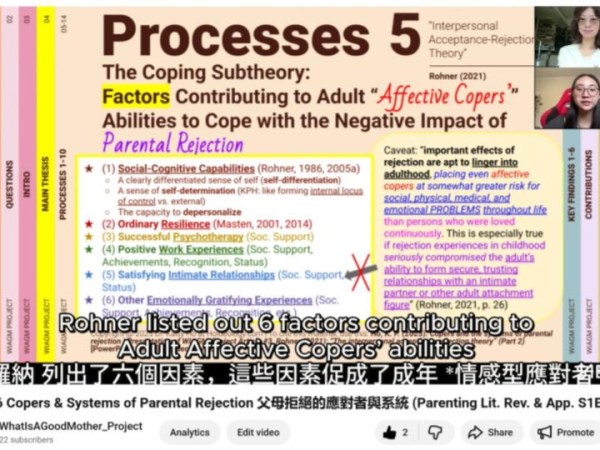
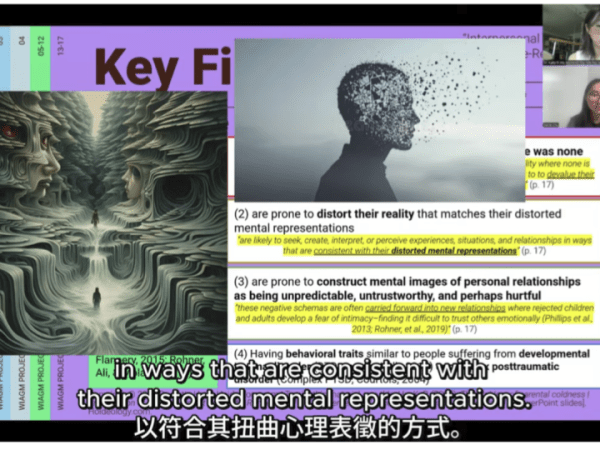
Episode 5 discusses “The Problem of Parental Coldness,” referencing Rohner’s interpersonal acceptance-rejection theory. It covers four types of parental rejection, impacts on mental self-representation, and links to psychological and physiological issues. Studies show 60-80% of rejected individuals display specific symptoms tied to these experiences.

PLRA_S1Ep4 Commentary: Short/Long-Term Effect of Parenting Style

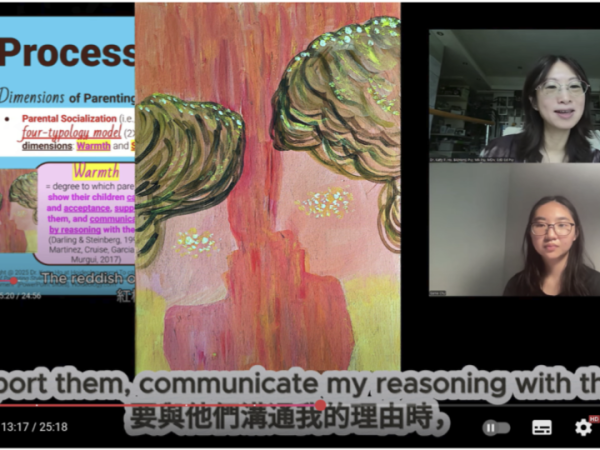
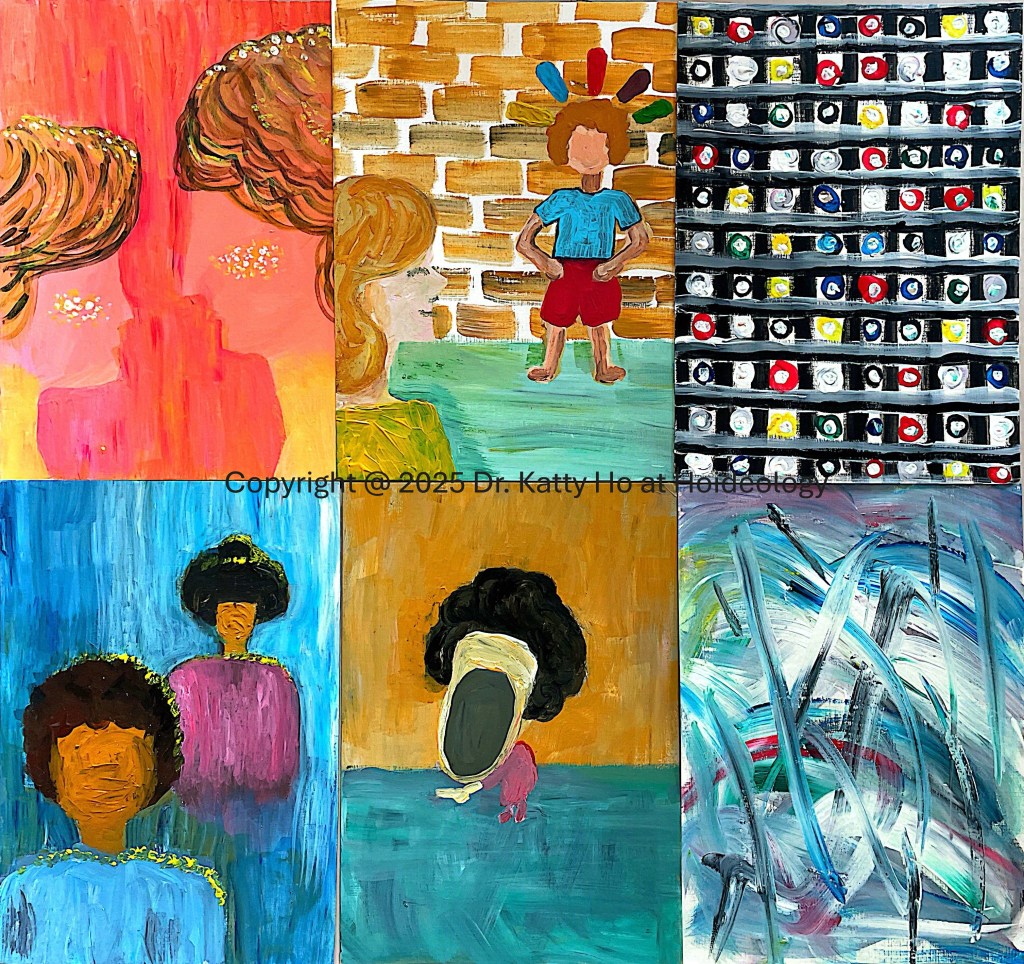
The commentary explores the short- and long-term effects of different parenting styles on child behavior and development. It raises questions about socially acceptable child behavior, developmental competence, the best parenting style, and artistic choices in illustrating parental warmth and strictness. The content is part of a broader literature review on parenting.

PLRA_S1Ep3 Commentary: How Parenting Style Matters

The commentary discusses the significance of parenting styles, addressing questions on the “What Is A Good Mother” project, the concept of parental reinforcement, and the common feelings parents experience regarding their parenting practices. It highlights the disconnect often felt by parents about their effectiveness in parenting approaches.

PLRA_S1Ep2 Short/Long-Term Effect of Parenting Style

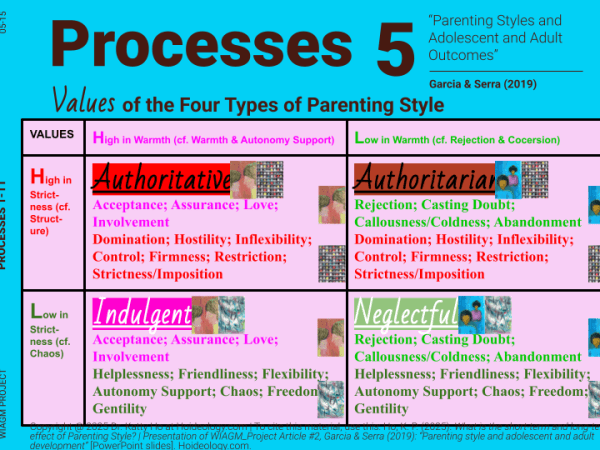
The content discusses the short-term and long-term effects of four parenting styles defined by Garcia and Serra (2019) – authoritative, authoritarian, indulgent, and neglectful. It highlights how indulgent parenting fosters better psychological well-being in adolescents and adults, while neglectful parenting has the most detrimental effects on mental health outcomes.

PLRA_S1Ep1 How Parenting Style Matters

The presentation discusses Darling and Steinberg’s (1993) model, highlighting the crucial role of parenting style as a context influencing the relationship between parenting practices and child outcomes. It distinguishes how parenting style impacts a child’s personality and psychological well-being, underscoring its significance in shaping development.

The Six Dimensions of Parenting Style